


Why does my child struggle with reading?
Many parents come to me and say, “My child is struggling with reading.”
That’s often where the concern starts — but also where the confusion begins.
Because when we start to look closer, a very important question comes up:
What exactly are they struggling with in reading?
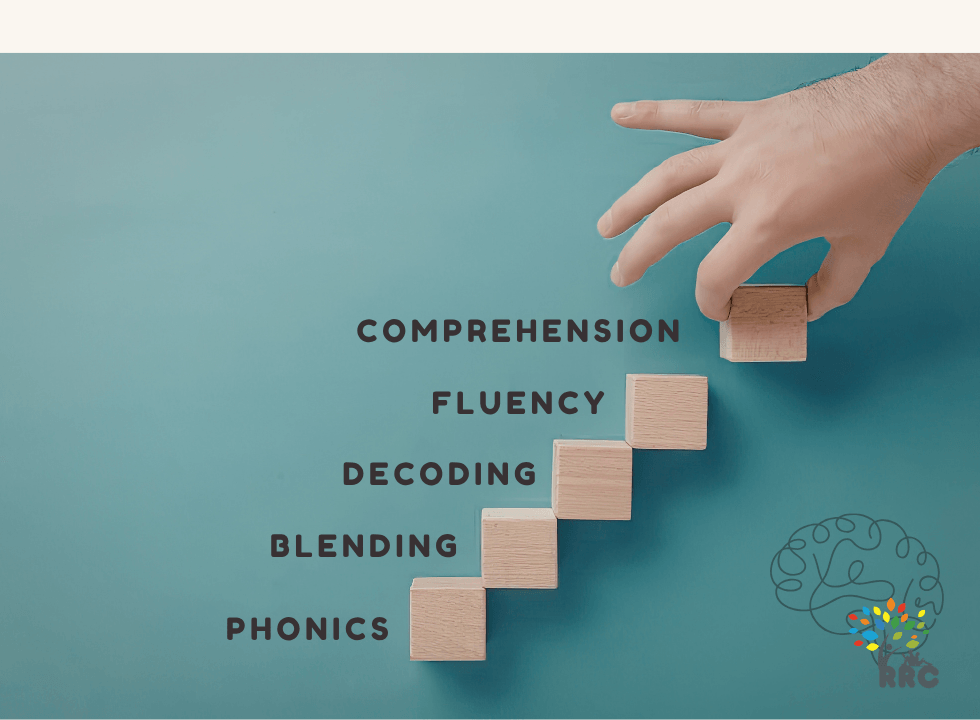
Most parents find this difficult to answer, not because they are not paying attention, but because reading is made up of many smaller skills that all work together.
Let’s break it down.
Quick Checkpoints
If your child is struggling, here are a few key areas to look at:
Do they know their phonics automatically?
Can they blend sounds into words?
Are they only sounding out every word slowly?
Do they often guess words instead of reading them?
If you recognize some of these, don’t worry — we’ll unpack them below.
Let’s Go a Bit Deeper
1. Do they know their phonics automatically?
One of the first things to look at is whether your child knows letter sounds instantly.
For example:
Do they know that “m” says /mmm/ without hesitation?
If they pause or have to think, reading becomes slow and effortful because every word takes too much energy to decode.
2. Are they stuck sounding out every word?
Some children remain in a very early reading stage where they sound out every single word.
This often leads to:
very slow reading
loss of meaning
frustration
Reading should gradually become more automatic. If it doesn’t, comprehension becomes very difficult.
3. Can they blend sounds into words?
Blending is the ability to put sounds together to form a word.
For example:
/ssssaaaat/ → sat
Some children can sound out letters individually but struggle to bring them together smoothly. This makes reading feel broken and disconnected.
4. Are they guessing words?
Instead of reading the word, some children:
look at the first letter
use the picture
guess a word that “makes sense”
While this may seem helpful, it actually prevents real reading development because they are not decoding the word.
The Bigger Picture
Most reading difficulties are not caused by one single issue.
They usually come from missing or weak foundational skills such as:
phonics knowledge
blending ability
decoding skills
automatic word recognition
When one of these is weak, reading becomes hard work instead of smooth and meaningful.
A Final Thought
If your child is struggling with reading, you are not alone — and you are not expected to immediately know why.
Reading difficulties can look similar on the surface, but the cause underneath is often very different.
The most helpful first step is simply this:
Start noticing how your child reads, not just whether they can read.
Because understanding the “how” is where real progress begins.
Need Help Figuring It Out?
If you’re unsure what your child is struggling with, I offer a free discovery call where we go through what you are seeing at home and help you identify possible root causes.
This is not a formal assessment — just a conversation to give you clarity and direction.
You can book your free call here: Book a Free Call
Sometimes one conversation is enough to turn confusion into a clear next step.
Book a Call
Available Hours
Mon-Thurs: 8 AM – 5 PM
Fri. 8 AM – 1 PM
Saturday: Closed
Sunday: Closed